

Feminine Care Is Evolving
Clean Products, Cycle Awareness, and Support Systems That Actually See Women
There’s a quiet shift happening in feminine care — and it goes far beyond pads and tampons.
Women are no longer just looking for products that “manage” their cycles. They’re asking deeper questions: What is this made of? How does this affect my body long-term? How does my cycle connect to my energy, my health, my lifestyle, and my ability to function in the world?
And in response, a new wave of brands and platforms is emerging — built around clean materials, cycle intelligence, education, and real support.
This is feminine care reimagined.

Clean Intimates That Put Health First
For decades, underwear has been treated as something basic, functional, invisible, not worth questioning. But more women are starting to pay attention to what’s actually sitting against their skin all day, especially during their cycle.
One brand leading this shift is Wear CUFT.
Wear CUFT is built on a simple but powerful idea: stop wearing toxic underwear.
Their focus is on:
Nontoxic, plastic-free intimates
PFAS-free materials
Breathable, clean fabrics designed for cycle support
A social impact model that donates 1 item for every 3 purchased
It reflects a bigger cultural shift, women choosing transparency, safety, and comfort over convenience and outdated manufacturing standards.
Clean care is no longer a luxury. It’s becoming the expectation.

Your Cycle as a Source of Power, Not Inconvenience
Feminine wellness is also moving into a more personal, internal space, where cycles are not something to hide or push through, but something to understand.
femsweat is part of this evolution.
Instead of treating the menstrual cycle as an inconvenience, femsweat focuses on wellness that aligns with it. The platform connects cycle awareness with mindset, productivity, and emotional wellbeing.
The idea is simple but powerful:
your energy isn’t random, it’s cyclical.
By learning how your body shifts throughout the month, women can begin to align their habits, expectations, and goals with their natural rhythm instead of fighting against it.
This is where feminine care starts blending into personal development.

Turning Symptoms Into Insight
Another major shift in feminine health is the move toward understanding patterns instead of guessing.
Dotted is a platform designed to do exactly that.
Dotted helps women connect symptoms to their reproductive health using clinical-grade tracking and insight-based tools.
Instead of isolated data points like “cramps today” or “fatigue this week,” the platform looks at patterns over time, helping women understand what their bodies are communicating on a deeper level.
This is what modern care looks like: less confusion, more clarity.
Education and Cultural Change Around Periods
For many women, the biggest barrier to care isn’t access to products, it’s access to information.
We Are Happy Period is working to change that.
Their mission centers around:
Advancing menstrual wellness education
Reducing stigma around periods
Supporting cultural change through awareness and resources
They’re helping normalize conversations that have been ignored or silenced for generations, and making period education more accessible, honest, and human.
The Bigger Picture: Feminine Care Is Becoming Holistic
What connects all of these brands and organizations is not just product innovation, it’s a mindset shift.
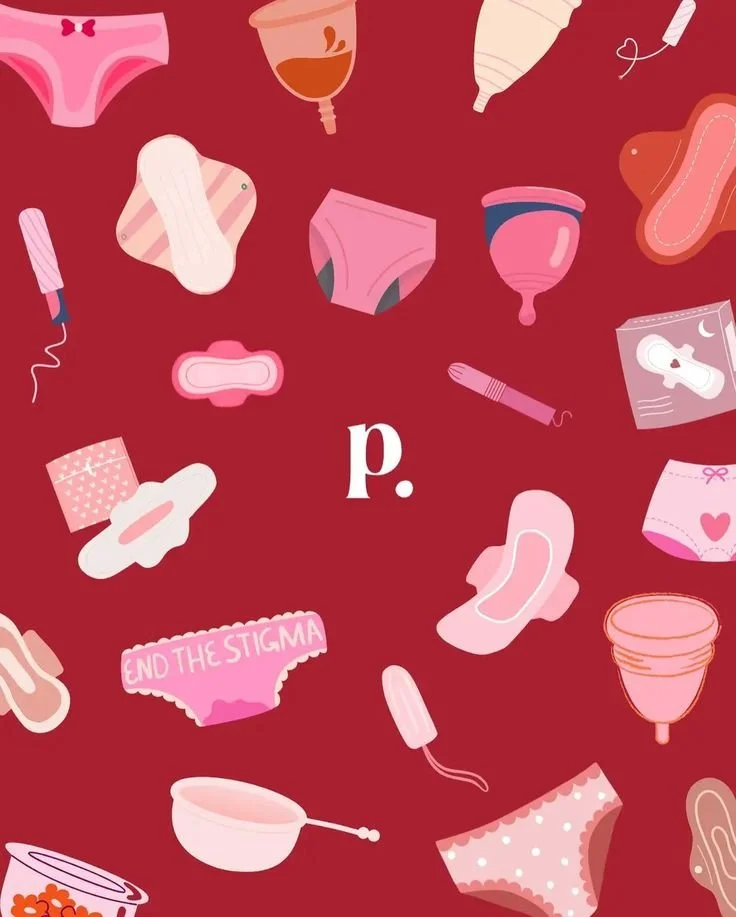
Feminine care is no longer only about managing a cycle. It’s becoming about:
Clean, non-toxic materials that protect long-term health
Cycle awareness as a form of self-understanding
Data and tools that reveal patterns in the body
Education that breaks stigma and builds knowledge
Support systems that meet women where they are
We are moving into an era where care is intentional, informed, and deeply personal.
And at the center of it all is a simple truth:
When women understand their bodies, they begin to move through the world differently, with more awareness, more confidence, and more ownership over their lives.
